
About Us
We are driven by a passion for excellence and a strong commitment to quality, innovation, and timely delivery of projects.
Contact Info
-
-
Phone
+91 709 445 5578 -
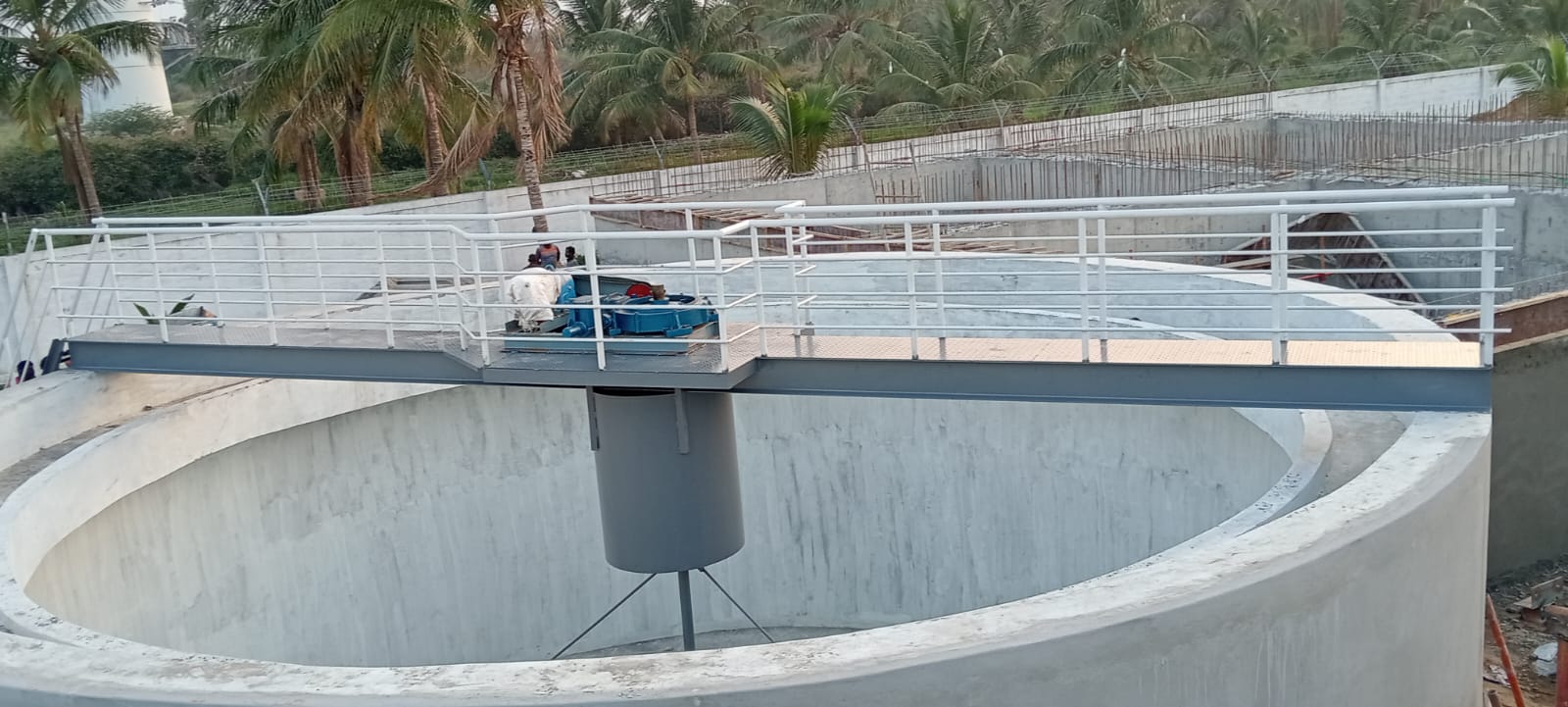
A clarifier is a key component in water and wastewater treatment processes. It removes suspended solids from liquids through sedimentation. These systems are essential in sewage treatment plants and industrial effluent treatment facilities for producing clean, reusable water.
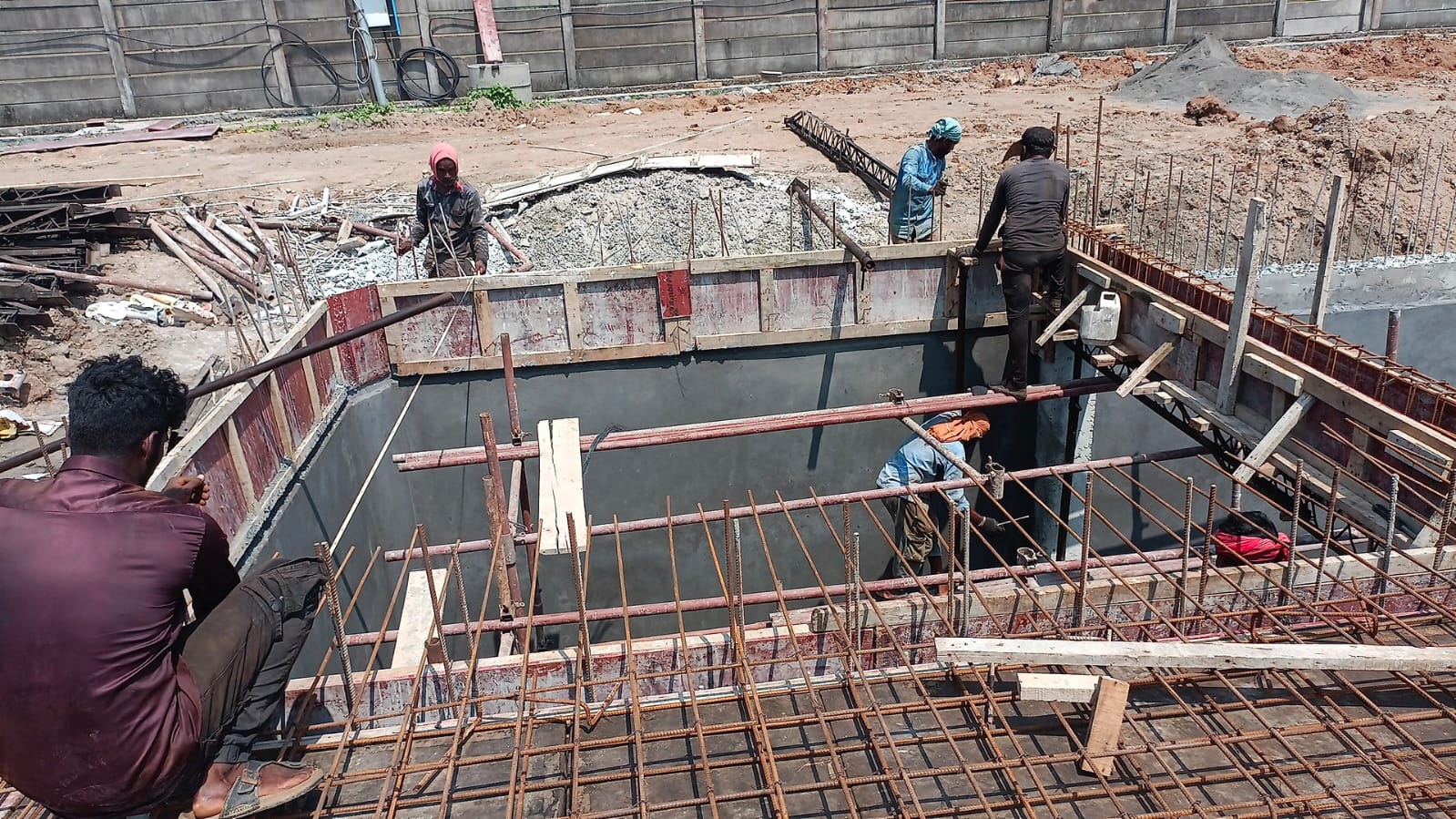
A Raw Water Treatment Plant (RWTP) treats untreated water from sources like rivers or wells. These plants remove suspended solids, bacteria, and impurities using chemical dosing, filtration, and sedimentation. They are critical for industrial and municipal water supply systems.

Effluent Treatment Plant, is a system for treating industrial wastewater to remove pollutants before it is discharged into the environment or reused